
Itineraries · Porto, Portugal
How to Spend 2 Days in Porto: The Perfect First-Time Itinerary
Planning 2 days in Porto? Follow this first-time itinerary through Clérigos, Ribeira, Gaia, Port wine cellars, Foz and some of the city's best food stops.
By MI Traveler editorial team · Updated August 19, 2026 · 12 min read
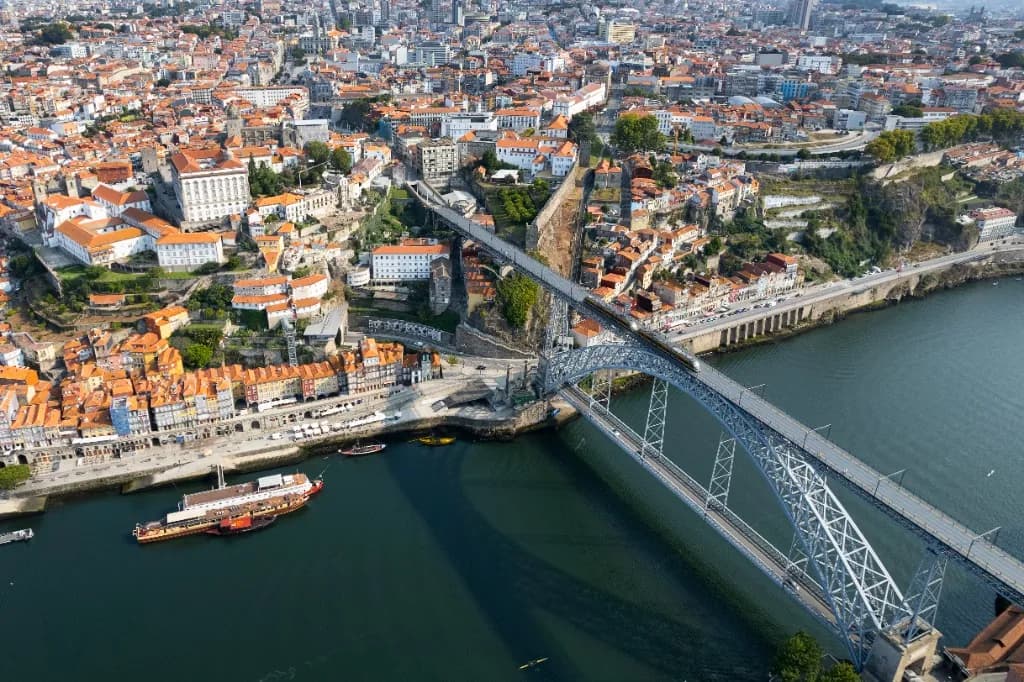
Dom Luís I Bridge connecting Porto and Vila Nova de Gaia across the Douro River.
Porto is Portugal’s second-largest city after Lisbon and the cultural and economic heart of the north. Historically known in English as Oporto, the city has grown around the point where the Douro River meets the Atlantic, with a history shaped by trade, the sea, and the river for roughly two thousand years.
Wine and commerce are central to Porto’s story. Wines produced in the Douro Valley were transported downriver and exported from Porto, helping the city build strong commercial ties with Britain and other European markets. That history is still visible today across the river in Vila Nova de Gaia, where many of the traditional Port wine lodges remain.
Porto is also known for its resilience. The city played an important role in major political and military struggles, including the Liberal Wars, and its resistance during the Siege of Porto helped earn it the nickname “Cidade Invicta” — the Unvanquished City.
Today, Porto wears that history openly. You see it in the colorful houses of Ribeira, the Dom Luís I Bridge, blue-and-white azulejo tiles, richly decorated churches, Port wine cellars, and local dishes such as francesinha. Its historic center has been a UNESCO World Heritage Site since 1996, but Porto still feels like a lived-in city rather than an open-air museum.
This 2-day itinerary focuses on the places that help you understand Porto quickly without overloading the schedule: the historic center, riverfront, viewpoints, local food, wine, and the Atlantic side of the city.
2 Days in Porto at a Glance
| Day | Morning | Afternoon | Evening |
|---|---|---|---|
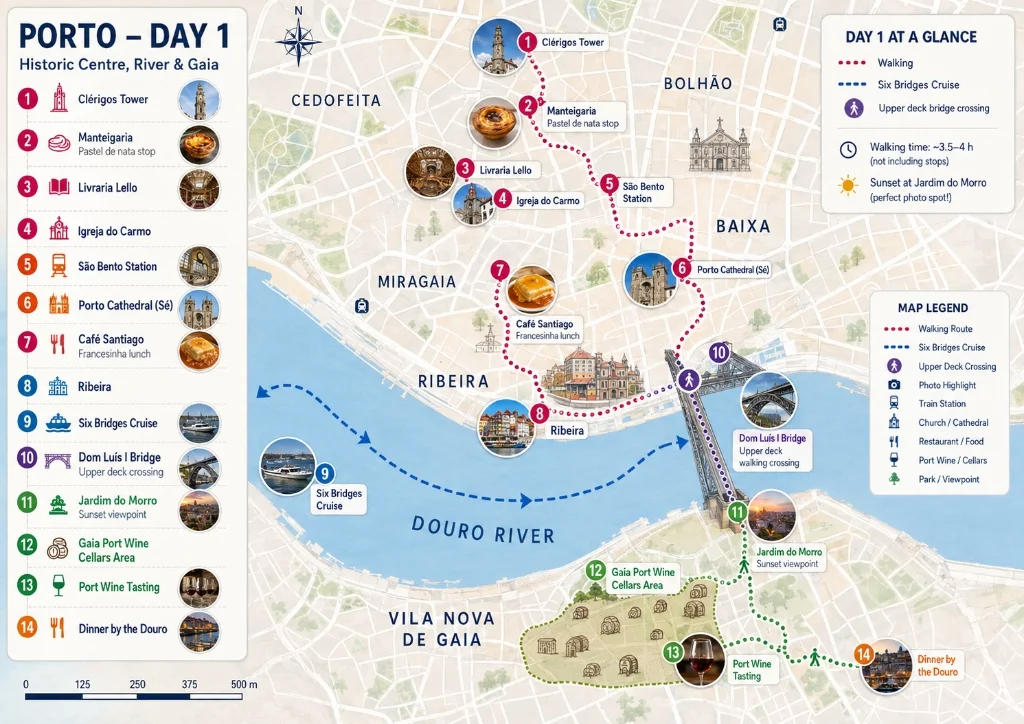
| Day 1 | Clérigos → Livraria Lello (Lello Bookstore) → São Bento → Porto Cathedral | Ribeira → Six Bridges Cruise → Dom Luís I Bridge | Gaia → Jardim do Morro → Port wine + dinner |
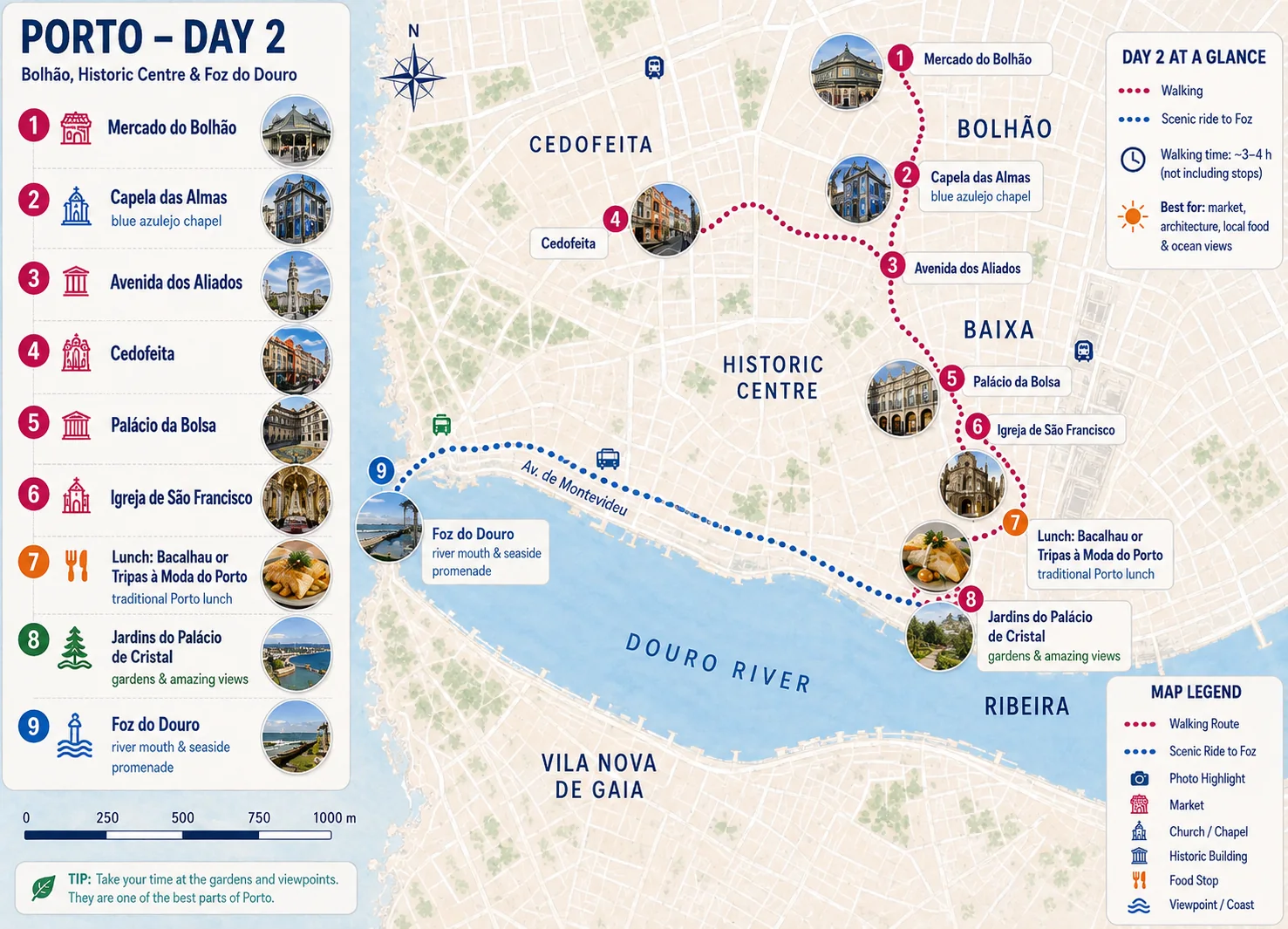
| Day 2 | Bolhão Market → Capela das Almas (Chapel of Souls) → Optional Café Majestic coffee break → Avenida dos Aliados | Igreja do Carmo (Carmo Church) → Cedofeita → Palácio da Bolsa (Bolsa Palace) → Igreja de São Francisco → Palácio de Cristal Gardens | Foz do Douro |
Day 1
- Morning
- Clérigos → Livraria Lello (Lello Bookstore) → São Bento → Porto Cathedral
- Afternoon
- Ribeira → Six Bridges Cruise → Dom Luís I Bridge
- Evening
- Gaia → Jardim do Morro → Port wine + dinner
Day 2
- Morning
- Bolhão Market → Capela das Almas (Chapel of Souls) → Optional Café Majestic coffee break → Avenida dos Aliados
- Afternoon
- Igreja do Carmo (Carmo Church) → Cedofeita → Palácio da Bolsa (Bolsa Palace) → Igreja de São Francisco → Palácio de Cristal Gardens
- Evening
- Foz do Douro
Where to Stay for 2 Days in Porto
For a two-day trip, staying centrally makes life much easier.
Baixa / São Bento
Baixa (Porto's central downtown district) is probably the easiest all-round base for a first visit.
Clérigos, São Bento Station, Avenida dos Aliados and many restaurants and shops are close by, while Ribeira is downhill toward the Douro.
Ribeira
Ribeira (Porto's historic neighbourhood along the Douro riverfront) is the most atmospheric option.
You are close to the river, Dom Luís I Bridge, Palácio da Bolsa (Bolsa Palace) and Igreja de São Francisco, and evenings here come with the considerable advantage of the Douro sitting right outside.
Sé
Sé (the historic neighbourhood surrounding Porto Cathedral) sits conveniently between Baixa and Ribeira.
For only two days, that middle position makes it particularly useful.
Our quick pick: Choose Baixa/São Bento for maximum convenience, Ribeira for riverfront atmosphere, or Sé for a good balance of both.
Check hotels in central Porto on Booking.com
Day 1: Historic Porto, Ribeira and Gaia
Start at Clérigos Tower
Begin around Clérigos Tower (an 18th-century Baroque bell tower with panoramic views across Porto and the Douro).
It is one of Porto's defining landmarks and a useful place to get your bearings.
If you're happy to tackle the stairs, the view from the top gives you an excellent first look across the city's rooftops.
And once you've come back down, there is a considerably less strenuous attraction waiting around the corner: pastry.
Optional: See Clérigos Church in a different way
Clérigos is more than its famous tower. The adjoining Clérigos Church is part of the same complex, and visitors looking for something different can experience its interior through Spiritus, an immersive multimedia show using light, projections, music, and visual effects.
The Porto: Spiritus Multimedia Show Entry Ticket works well as an optional add-on, particularly for travelers who enjoy audiovisual experiences or want to see the church interior in a less traditional way.
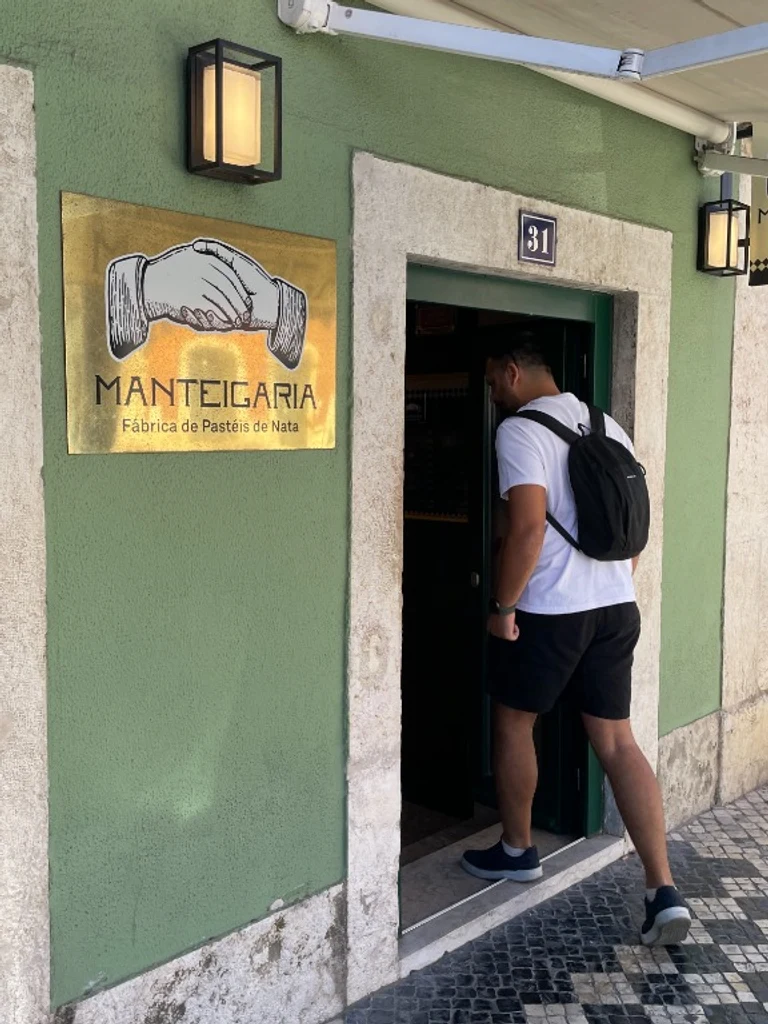
Start the Pastel de Nata Research at Manteigaria
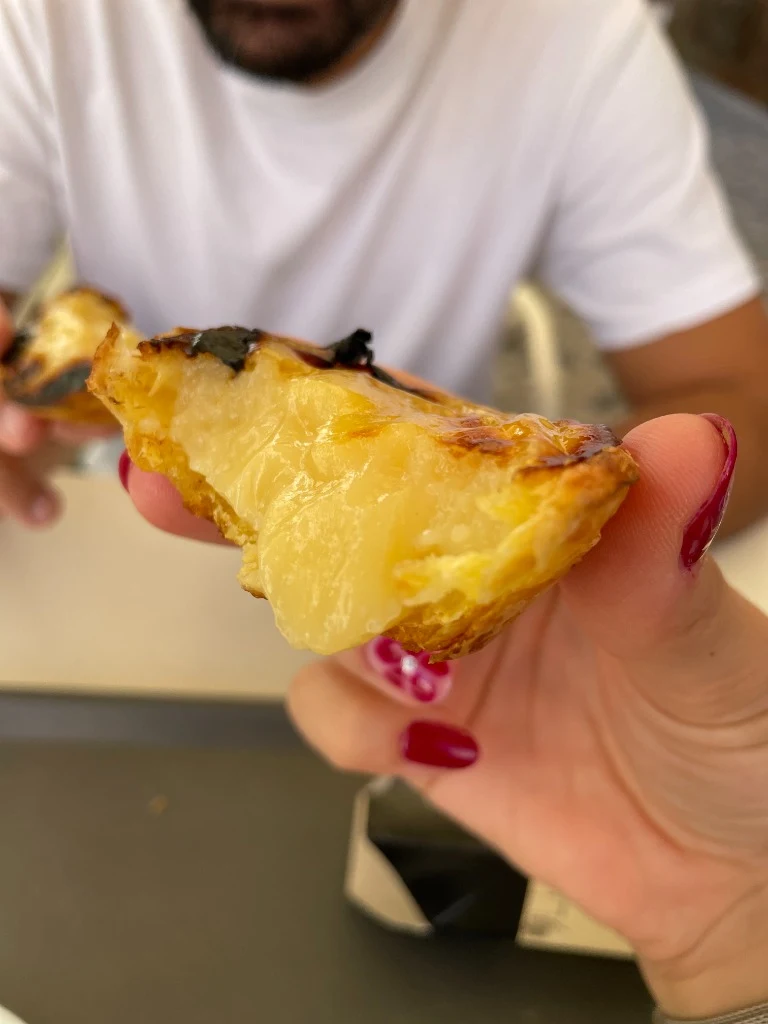
Pastel de nata (Portugal's famous flaky custard tart) is available all over Porto.
If we had to choose only one place to start, though, we'd go to Manteigaria.
Two more worth trying later
Fábrica da Nata is another very popular option, especially convenient around Rua de Santa Catarina. You can watch the tarts being produced behind glass, and the pastry tends to feel a little more substantial than Manteigaria's.
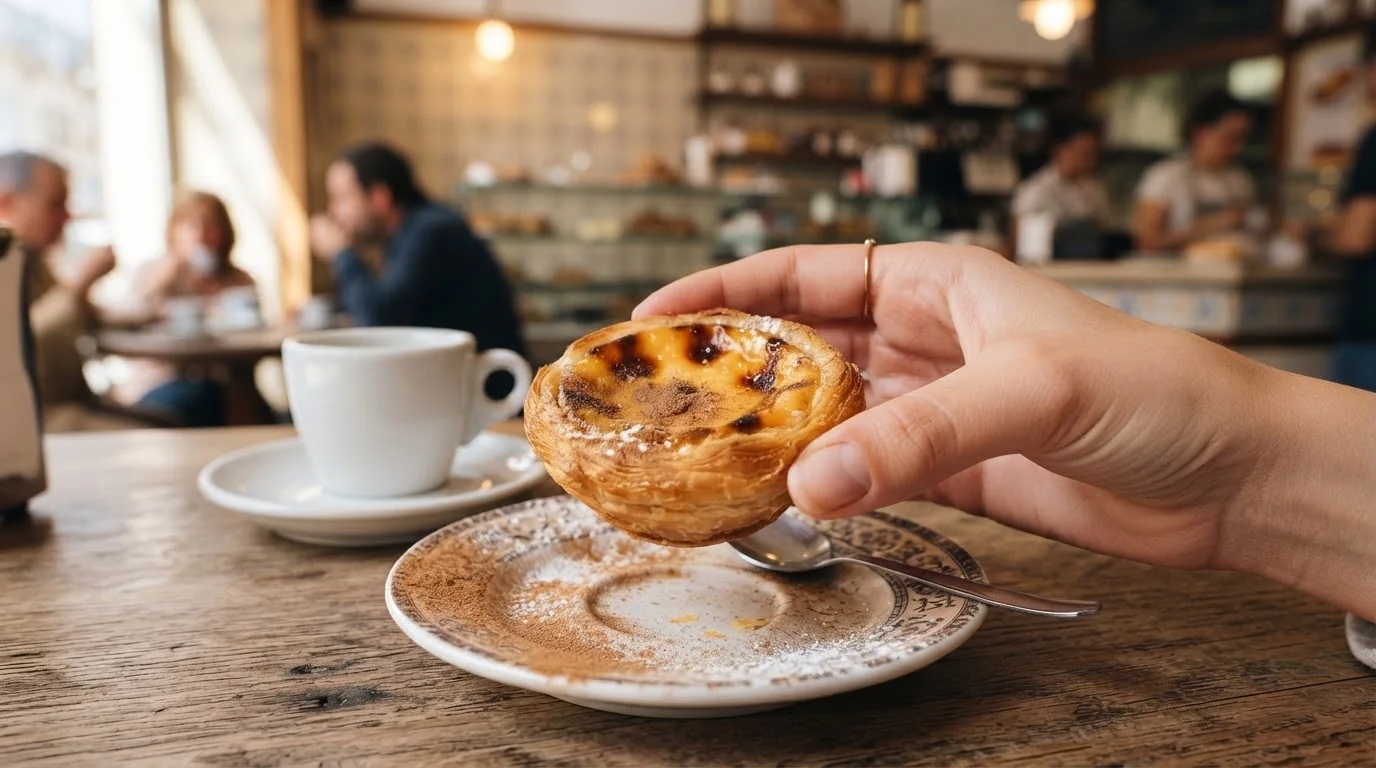
Castro – Atelier de Pastéis de Nata, on Rua de Mouzinho da Silveira, is another polished alternative with crisp laminated pastry and a more boutique pastry-shop feel.
Visit Livraria Lello (Lello Bookstore)
Next, walk to Livraria Lello (Lello Bookstore, Porto's famous historic bookshop known for its neo-Gothic interior and dramatic central staircase).
The bookshop dates back to 1906 and has become one of the city's most photographed interiors.
It is popular enough that this is one of the places worth organising in advance rather than casually arriving at the busiest part of the afternoon. Book your timed-entry voucher online before visiting to reserve your time slot, and check whether your ticket value can currently be redeemed against a book purchase on the day.
Stop at Igreja do Carmo (Carmo Church)
Nearby is Igreja do Carmo (Carmo Church, an 18th-century Baroque church famous for the enormous blue-and-white tile panel covering its side façade).
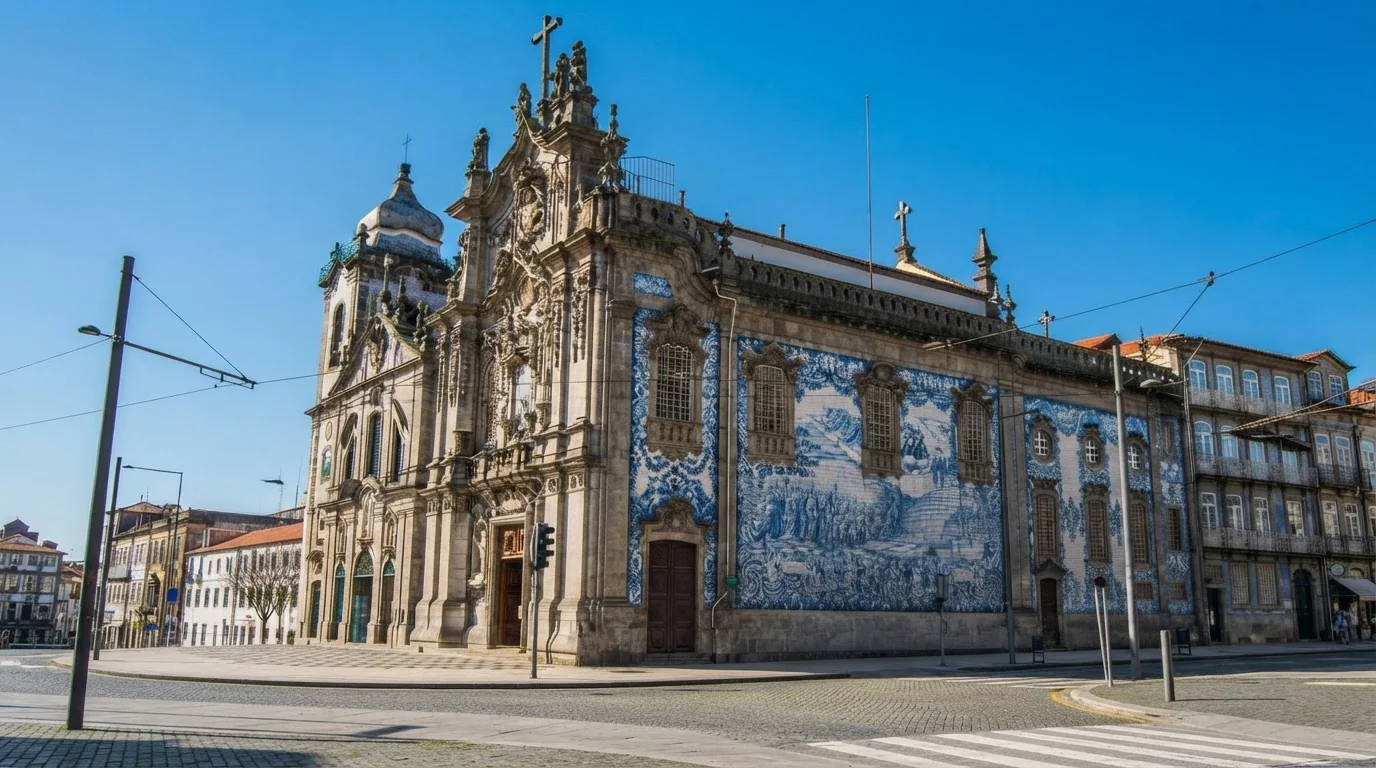
This is also a good moment to meet azulejos (decorative Portuguese ceramic tiles), because you are going to see quite a lot of them over the next two days.
The exterior is the star here, so it works easily as a short stop while exploring this part of the centre.
Optional: Paint Your Own Porto Tile
If you want something more hands-on, the Porto: Tile Painting Workshop with Port Wine lets you paint your own traditional-style tile while learning more about the craft behind Porto’s tiled façades.
Walk Down to São Bento Station
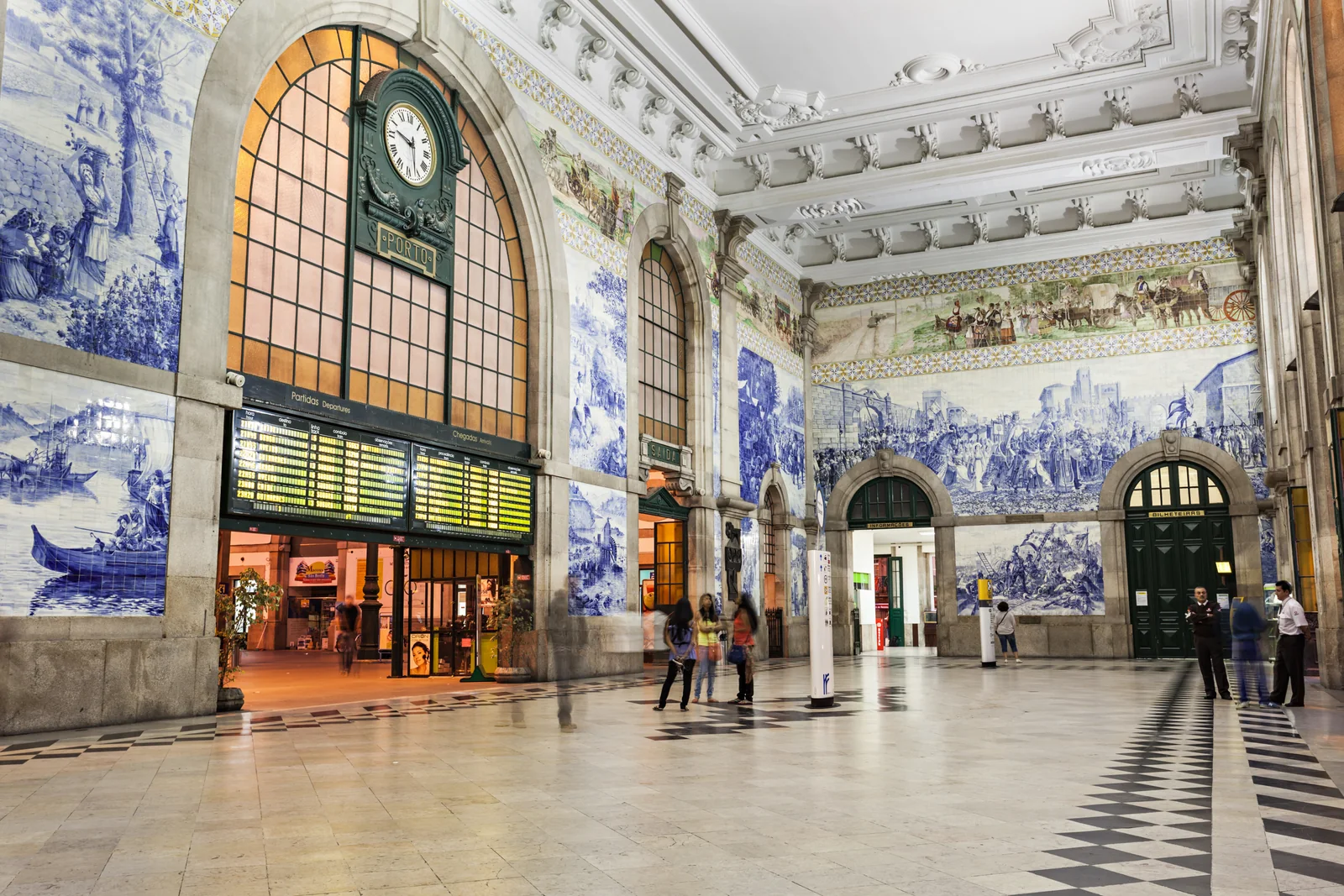
Continue toward São Bento Station (Porto's historic central railway station, famous for the huge azulejo panels covering its entrance hall).
Thousands of blue-and-white tiles illustrate scenes from Portuguese history.
It is one of those unusual train stations where half the people inside seem to have absolutely no intention of catching a train.
And conveniently, it sits right on the route toward the Cathedral.
If Porto’s darker stories, myths, and local legends interest you, consider Legends of Porto – Immersive and Metaverse Experience.
The experience takes place at Furnas da Alfândega and uses immersive audiovisual storytelling to introduce stories and legends connected to Porto’s history and identity. It works well as an optional extra for travelers who enjoy folklore, unusual history, and interactive experiences. Perfect for rainy days :)
Quick food stop: Try Porto’s famous cachorrinho at Gazela
If you want to try one of Porto’s most iconic quick bites, stop at Gazela for a cachorrinho. Open since 1962, Gazela is widely regarded as the original home of the Porto-style “Cachorrinho da Batalha” — a thin, crispy roll filled with sausage and cheese, grilled and usually sliced into bite-sized pieces.
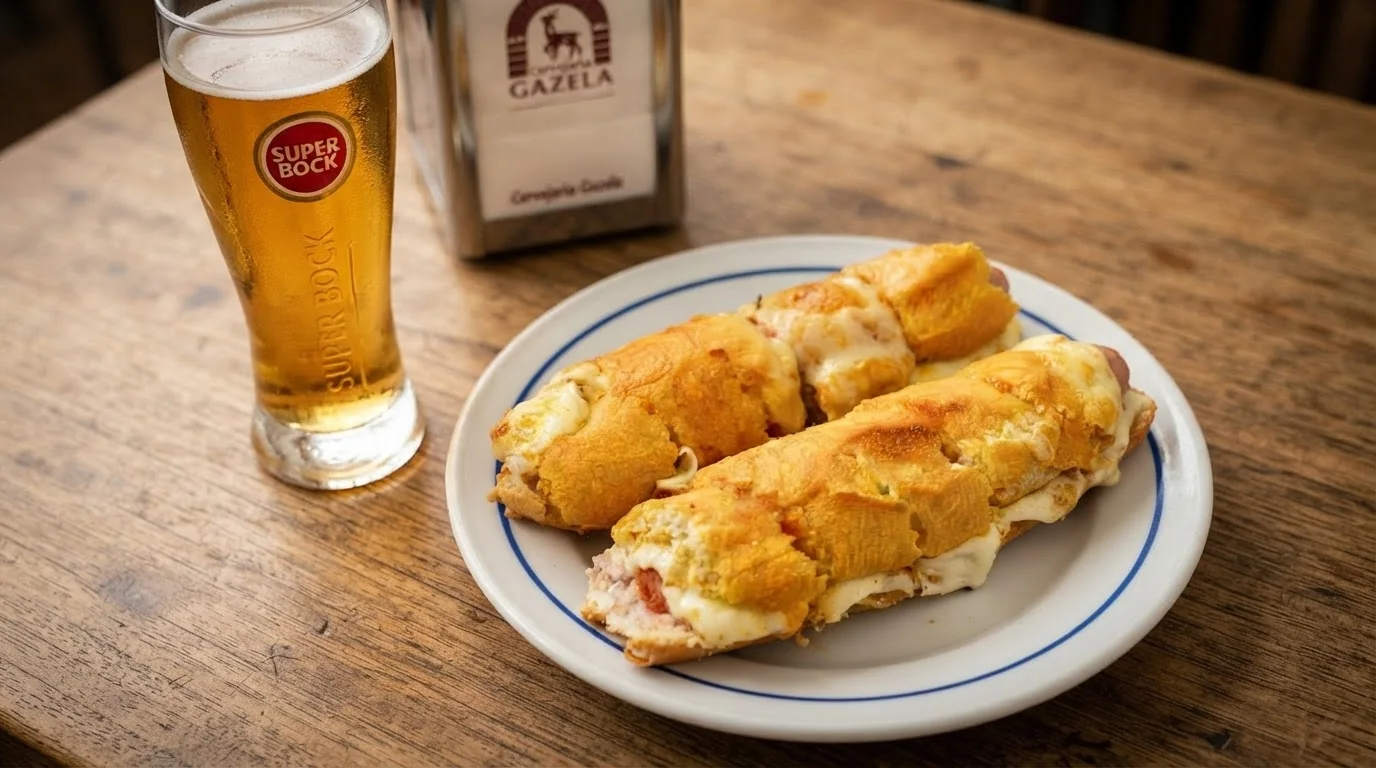
It is more than just a popular snack stop: Porto’s City Council has also described Gazela’s cachorrinho as one of the city’s gastronomic references. The little spot gained even more international attention after Anthony Bourdain visited Gazela during his 2017 Porto episode.
This works particularly well as a quick stop between São Bento Station and Porto Cathedral/Batalha, especially if you want to try a Porto classic without committing to another full meal.
Visit Porto Cathedral
Continue to Porto Cathedral — Sé do Porto (the city's main medieval cathedral and one of Porto's oldest monuments).
Its elevated position gives you lovely views across the rooftops, and the surrounding lanes begin to feel noticeably more medieval as you move toward the river.
From here the route starts heading downhill toward Ribeira.
Your legs may briefly believe Porto has decided to be reasonable.
Enjoy the moment.
Lunch: Time for a Francesinha
By lunchtime, you've earned Porto's most ambitious sandwich.
Francesinha (a Porto sandwich layered with meat, covered with melted cheese and finished with a rich, slightly spicy sauce, usually served with fries) is one of the city's signature dishes.
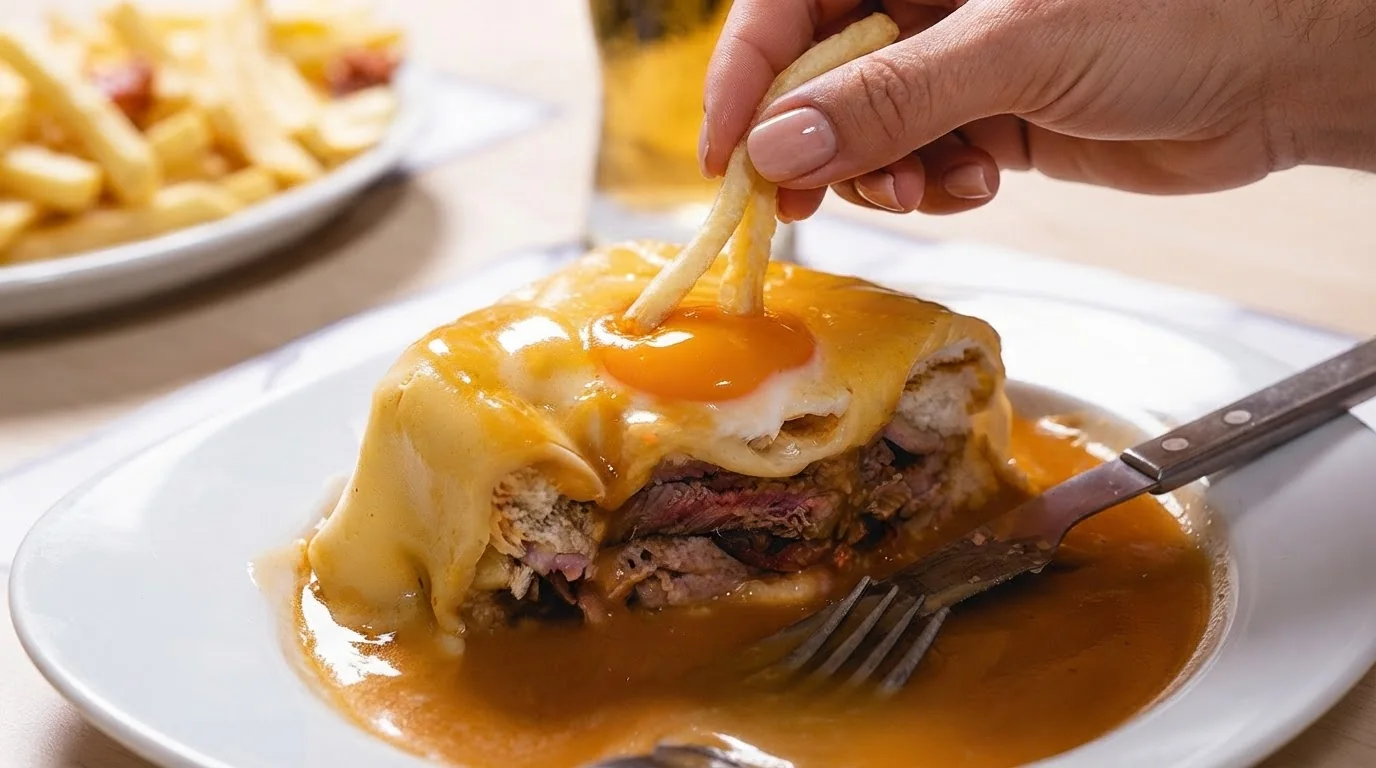
Queues can form during busy meal times, which is perhaps Porto's way of confirming you did not discover this place first.
Walk Down to Ribeira
After lunch, head toward Ribeira (Porto's colourful historic neighbourhood along the Douro riverfront).
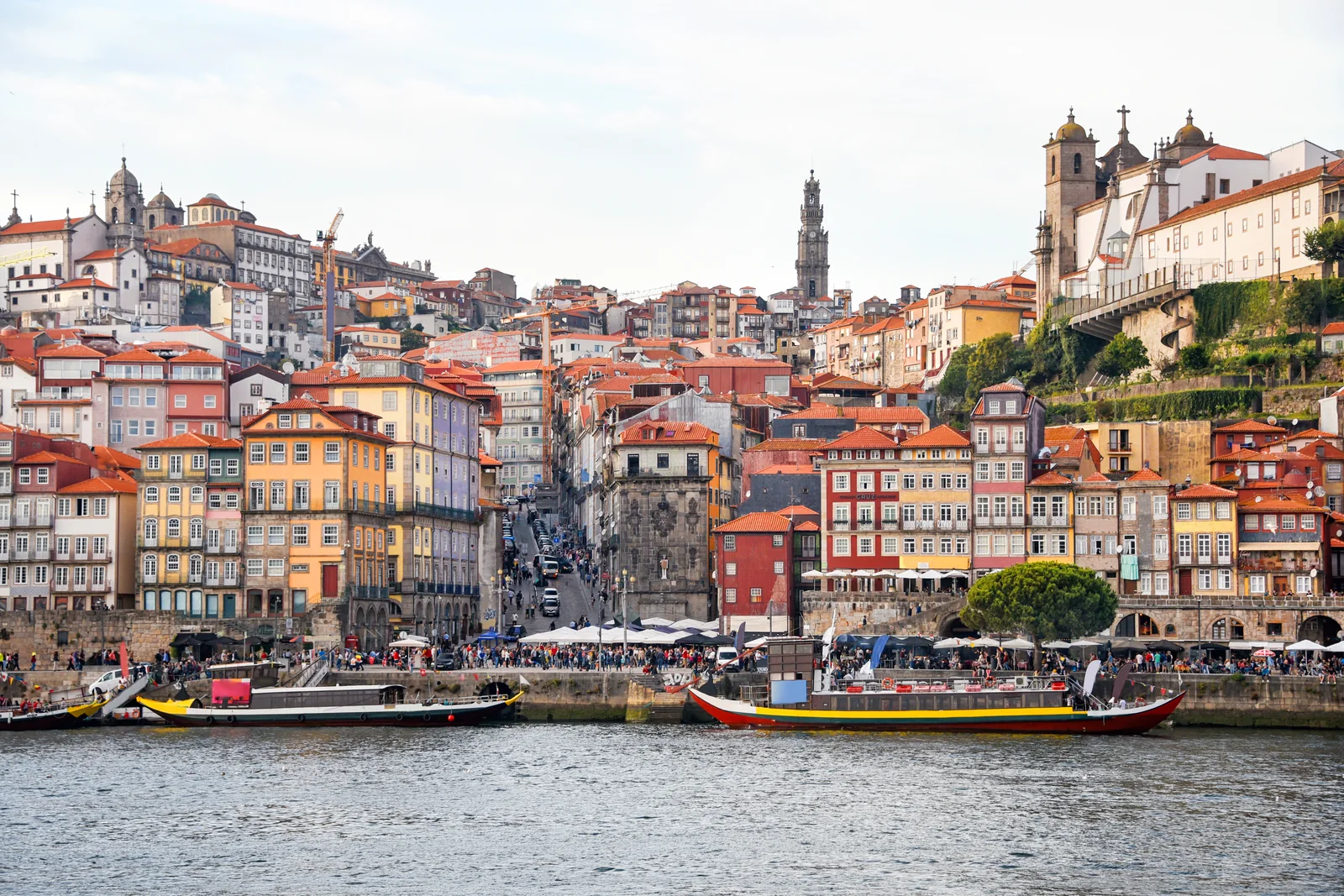
This is where the trip should slow down a little.
Walk beside the river, look across toward Gaia and wander through the steep little streets immediately behind the waterfront.
Ribeira is not really about completing a list of attractions.
The view, the river and the neighbourhood itself are the attraction.
Take the Six Bridges Cruise
From Ribeira, take the Six Bridges Cruise (a short Douro boat trip travelling beneath the bridges connecting Porto and Vila Nova de Gaia).
For a first visit, this fits the itinerary particularly well.
You've spent most of the day looking at Porto from street level; now you get the city from the river.
The cruise gives you views back toward Ribeira, Gaia and the bridges while giving your feet a temporary holiday of their own.
Check Six Bridges Cruise tickets
Is the Six Bridges Cruise worth it?
For a first two-day trip, we think so.
It does not take over the day, it fits naturally into the route and the view from the Douro feels completely different from the viewpoints above the city.
Walk Across Dom Luís I Bridge — Take the Upper Deck
Next comes one of the best parts of this route.
Dom Luís I Bridge (the iconic double-deck iron bridge connecting Porto with Vila Nova de Gaia) is not simply a way to reach the other side of the river.
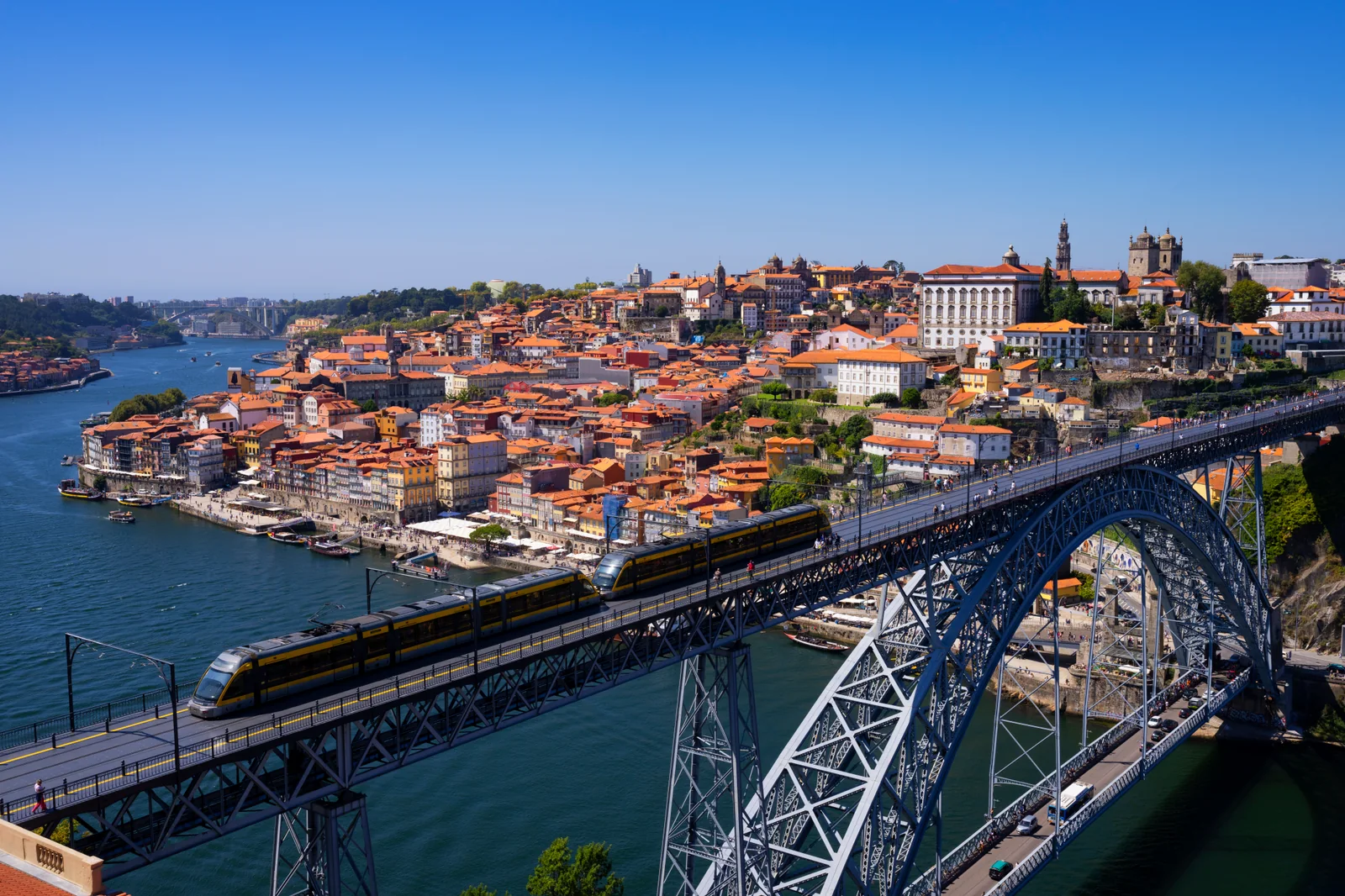
Walking across it is an experience in itself.
The bridge has two levels:
- Upper deck: The upper deck is used by pedestrians and Porto Metro Line D. There is no normal road traffic on this level. The height gives you huge views along the Douro, over Ribeira and toward Gaia.
- Lower deck: The lower deck also has pedestrian paths, but shares the level with road traffic.
For this itinerary, cross using the upper deck.
It is much more dramatic, and it connects the Sé side of Porto directly with the upper Gaia side close to Jardim do Morro.
Metro trains do use the upper deck, so stay within the pedestrian areas and pay attention around the tracks.
Halfway across, stop for a moment.
You have Porto behind you, Gaia ahead and the Douro a long way below.
Not bad for something technically classified as transport.
Sunset at Jardim do Morro
At the Gaia end of the upper bridge is Jardim do Morro (a hilltop park overlooking Porto, the Douro and Dom Luís I Bridge).
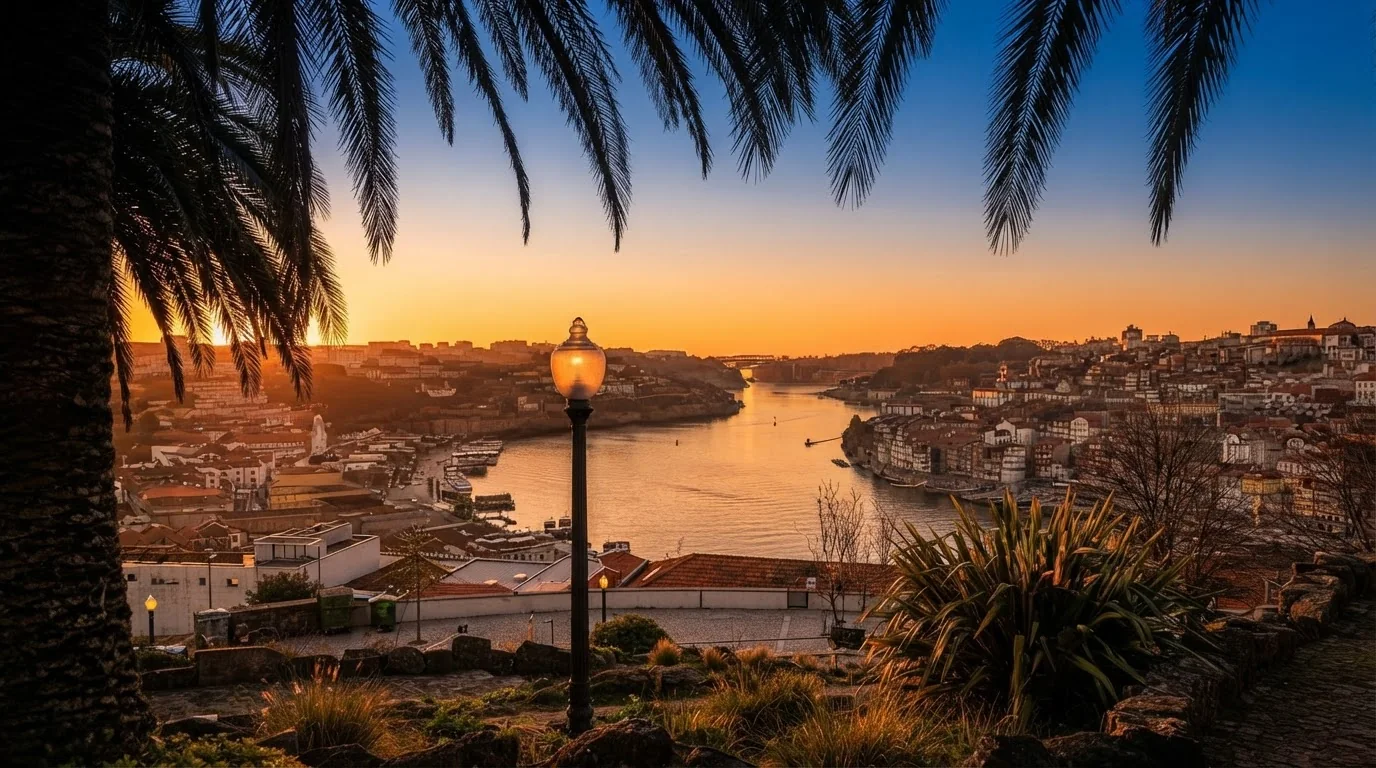
This is one of the easiest sunset stops to add to the itinerary because you practically walk into it after crossing the bridge.
People gather on the grass and terraces around the park as the light changes over Ribeira.
Grab a drink, find somewhere to sit and give Porto half an hour where nobody is trying to get anywhere.
If the timing works, aim to be here around sunset.
Do a Port Wine Tasting in Gaia
You are now in Vila Nova de Gaia (the city across the Douro where many of Porto's historic Port wine cellars are located).
This is the natural place for a proper Port tasting.
Port wine (a fortified Portuguese wine produced from grapes grown in the Douro Valley) comes in several styles, and a cellar tour gives much more context than simply ordering a glass after dinner.
You'll typically learn about styles such as Ruby, Tawny and Vintage before tasting a selection.
Browse Port wine cellar tours and tastings
Prefer Wine Without Another Tour? Wine Quay Bar
If you've already done enough organised activities for one afternoon, Wine Quay Bar (a small wine bar overlooking the Douro in Ribeira) is an excellent alternative.
For Live Music and a View: Mirajazz
Another excellent alternative is Mirajazz (a rooftop-style jazz and wine venue in Miragaia overlooking the Douro).
Dinner by the Douro
For dinner, keep the river theme going.
Ribeira Dinner Pick
Terra Nova
Terra Nova (a Ribeira restaurant specialising in bacalhau and oysters) sits directly on the Douro. Its focus on cod, oysters and seafood makes it particularly suitable if you want a proper Portuguese dinner with the river right outside.
Ribeira Dinner Pick
Bacalhau
Bacalhau Portuguese Wine & Food (a Portuguese restaurant beside the Douro focused on cod, Portuguese ingredients and wine) is another excellent option. If you specifically want to try bacalhau during the trip, the restaurant name has already removed most of the suspense.
Ribeira Dinner Pick
Restaurante Avó Maria
Located directly on Cais da Ribeira, Avó Maria is a convenient option if you want to stay right beside the Douro for dinner. It works well for a relaxed Portuguese meal with outdoor seating and the riverfront atmosphere just outside.
Ribeira Dinner Pick
Muro do Bacalhau
A little farther along the Ribeira waterfront, Muro do Bacalhau focuses on Portuguese-inspired dishes with a more contemporary approach. Its terraces overlooking the Douro make it especially appealing for dinner by the river, and the menu includes seafood, bacalhau and dishes designed for sharing.
Pick whichever style suits the evening — classic Ribeira dining, seafood and bacalhau, or a more contemporary Portuguese meal by the river.
Day 2: Bolhão, Azulejos, Cedofeita and the Atlantic
Start at Mercado do Bolhão (Bolhão Market)
Begin at Mercado do Bolhão (Bolhão Market, Porto's historic covered food market in the centre of Baixa).
The restored market still functions as a real produce market, with more than 70 traders selling fruit, vegetables, fish and other products alongside cafés, food counters and small shops.
This makes it a much better morning stop than simply walking through for a photograph.
Have a coffee.
Look around the stalls.
Pick up something small if breakfast starts calling your name.
Porto's official tourism material describes Bolhão as one of the city's main food landmarks, mixing traditional vendors with newer additions.
See Capela das Almas (Chapel of Souls)
A short walk away is Capela das Almas (Chapel of Souls, a small chapel whose exterior is covered in striking blue-and-white azulejo panels).
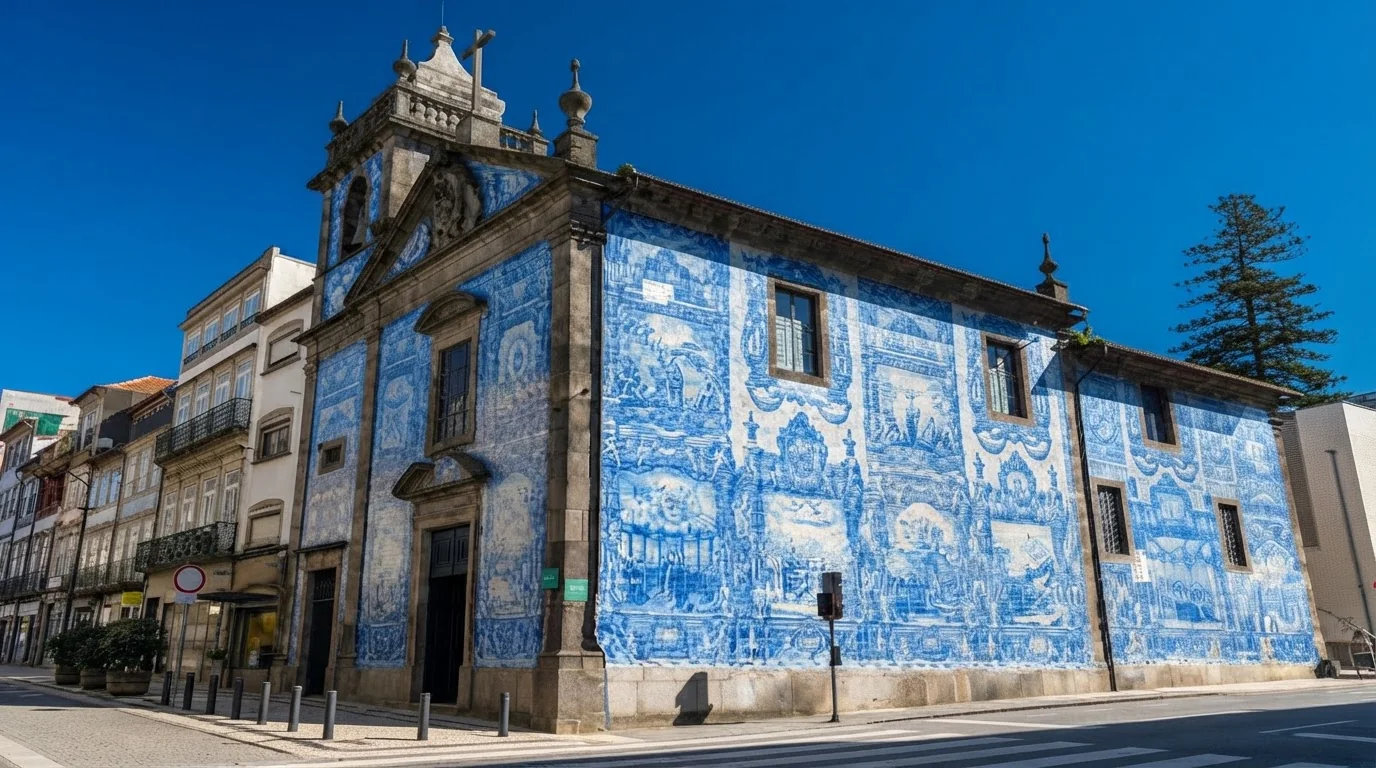
Capela das Almas (Chapel of Souls) is one of Porto’s most striking azulejo-covered buildings, but the city’s tile tradition goes far beyond this single chapel. If you want to understand the stories, symbols, and techniques behind the blue-and-white façades you’ll see throughout Porto, a guided walking tour can add useful context.
The Porto: Azulejos Tiles Walking Tour is a good fit here, especially if you enjoy architecture, design, or want to notice details you might otherwise walk past.
The exterior is the main attraction, so this is an easy stop while exploring Rua de Santa Catarina.
Optional coffee break: Café Majestic
If you want to take a proper coffee break while exploring central Porto, Café Majestic is one of the city’s most iconic historic cafés and fits easily into this part of the route.
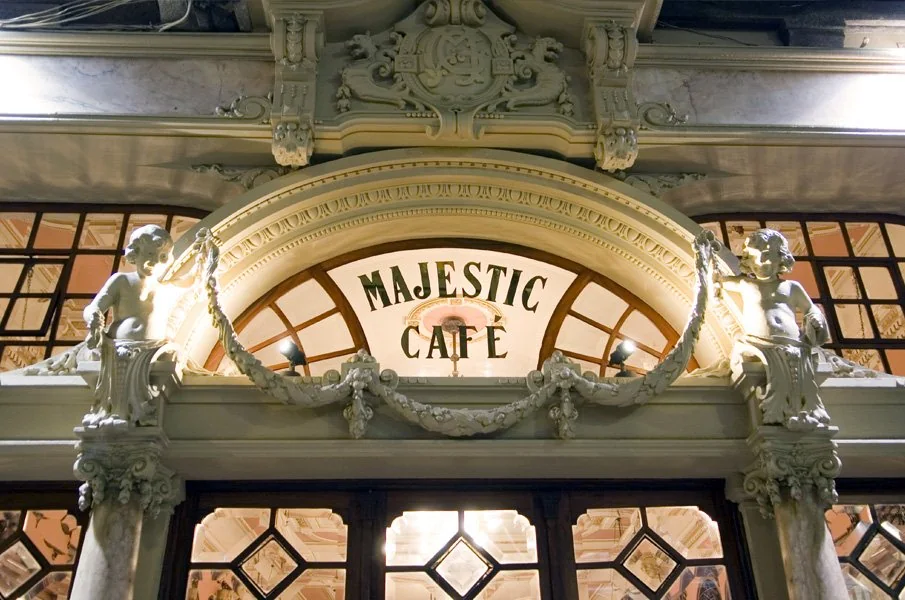
Opened in 1921, the café is known for its ornate Art Nouveau interior, with decorative mirrors, carved wood, chandeliers and an old-world atmosphere that feels very different from a standard quick coffee stop.
Its location on Rua de Santa Catarina makes it especially convenient after visiting Capela das Almas, before continuing toward Avenida dos Aliados.
Café Majestic is also frequently linked with J.K. Rowling, who lived in Porto in the early 1990s and is said to have visited the café. The often-repeated claim that she wrote Harry Potter here, however, is not well established.
It is a good option for travellers who want to slow down for coffee in a historic setting, rather than an essential stop.
Walk Through Avenida dos Aliados
Continue toward Avenida dos Aliados (Porto's grand central boulevard surrounded by monumental civic buildings and City Hall).
It acts as one of the city's main central axes and connects the Bolhão side of downtown with the streets leading toward Clérigos and Cedofeita.
Take your time walking through rather than treating it as another attraction to check off.
Explore Cedofeita
Continue into Cedofeita (a central Porto neighbourhood known for independent shops, galleries, cafés and Rua de Cedofeita).
This part of Day 2 is deliberately less monumental.
After cathedrals, tiled stations and palace interiors, Cedofeita gives you a chance to simply wander through a neighbourhood.
Stop for coffee.
Browse a few shops.
Walk down whichever street looks interesting.
Sometimes the itinerary is improved by temporarily forgetting there is an itinerary.
Visit Palácio da Bolsa (Bolsa Palace)
Later, return toward the river for Palácio da Bolsa (Bolsa Palace, Porto's 19th-century former stock exchange palace, famous for its elaborate ceremonial interiors).
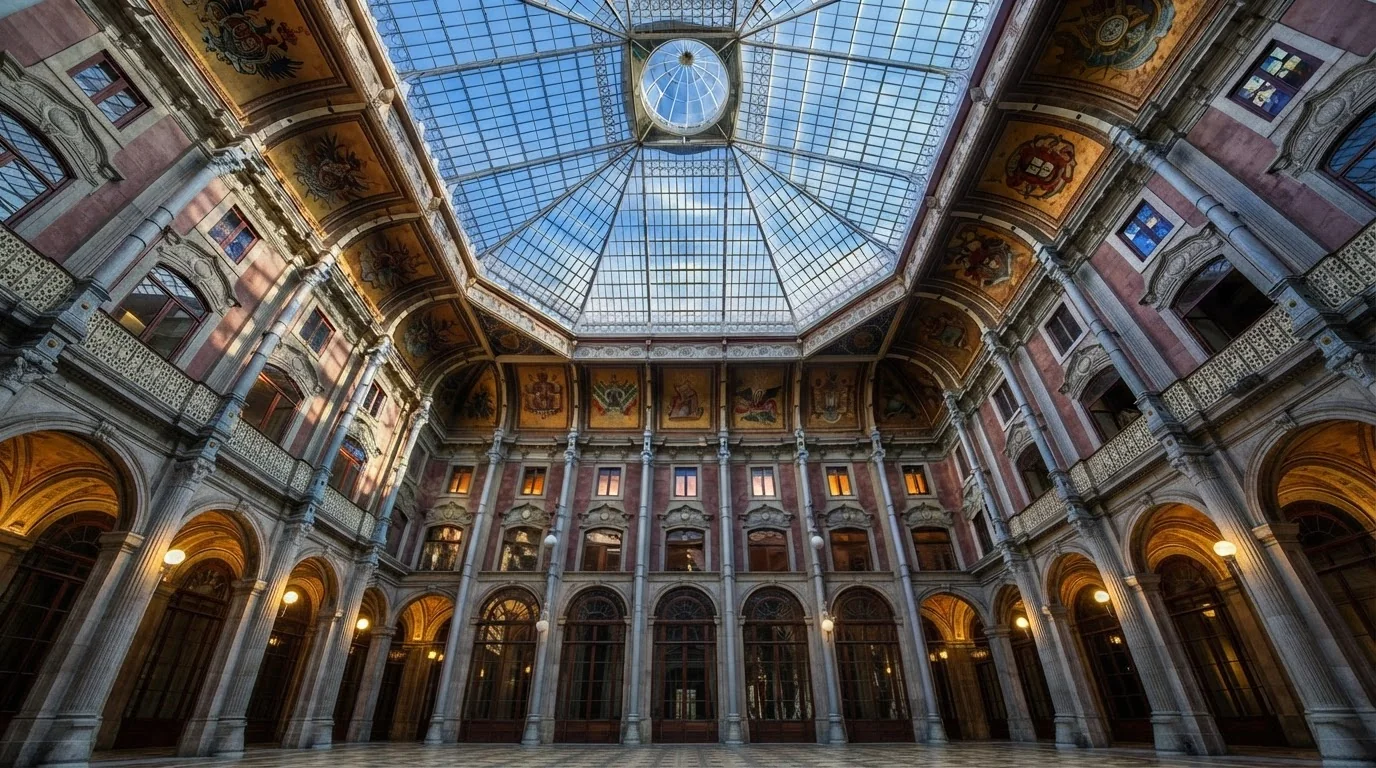
One of its most famous spaces is the richly decorated Arab Room.
Visits are conducted through guided tours in several languages throughout the day, so it is best to check the current tour schedule and reserve your time slot in advance.
See Igreja de São Francisco
Right next door is Igreja de São Francisco (a Gothic church particularly famous for its extraordinarily ornate Baroque interior).
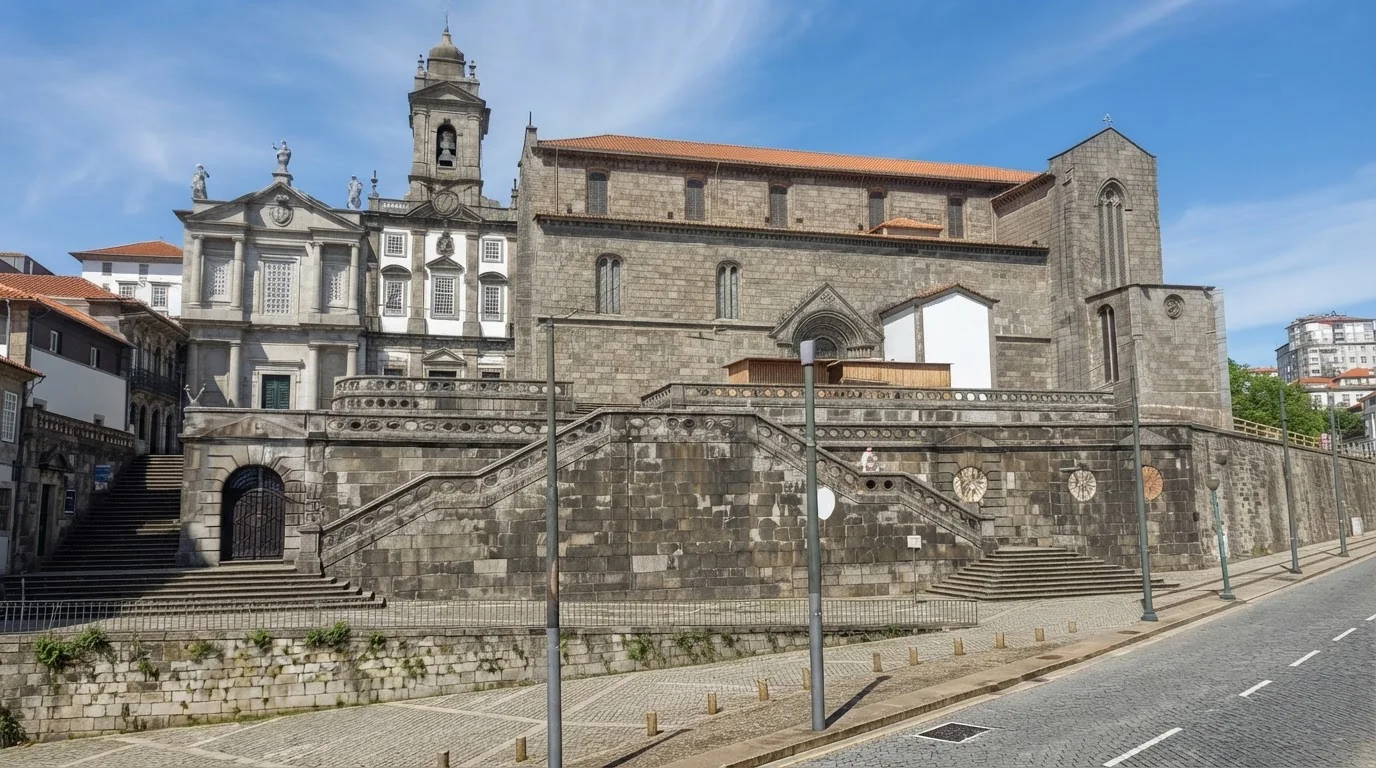
Palácio da Bolsa (Bolsa Palace) and São Francisco are effectively neighbours, so doing them together makes the route easy.
The relatively restrained Gothic exterior does not prepare you particularly well for what is waiting inside.
Relax at Jardins do Palácio de Cristal
After the historic centre and several church stops, head to Jardins do Palácio de Cristal (Palácio de Cristal Gardens) for a change of pace. These romantic gardens cover around 8 hectares and were designed in the 19th century by German landscape architect Émille David.
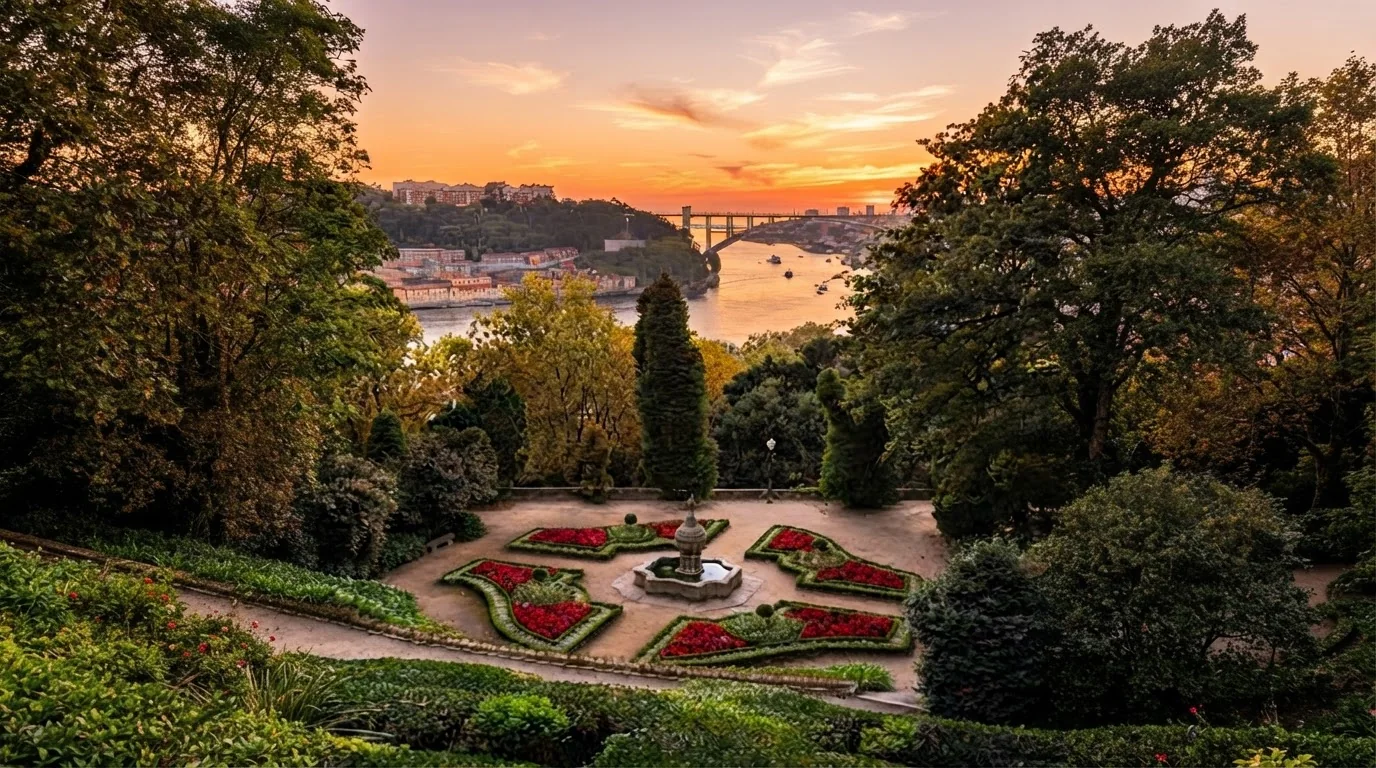
The viewpoints look across the Douro River, Vila Nova de Gaia and Porto’s western riverside, including toward the Arrábida Bridge. Parts of the original landscape design remain, including Avenida das Tílias, wooded areas and terraces overlooking the Douro.
It is a useful pause in a day otherwise filled with churches, tiled façades and historic buildings, so allow time for a relaxed walk rather than treating it as another monument to rush through. Porto’s official tourism website includes the gardens among the city’s major green spaces and viewpoints.
Entry to Jardins do Palácio de Cristal is free, and the gardens are open every day of the week.
- April–September: 08:00–21:00
- October–March: 08:00–19:00
Lunch: Try Bacalhau
If you did not have it yesterday, make lunch about bacalhau (Portuguese salt cod prepared in hundreds of different recipes).
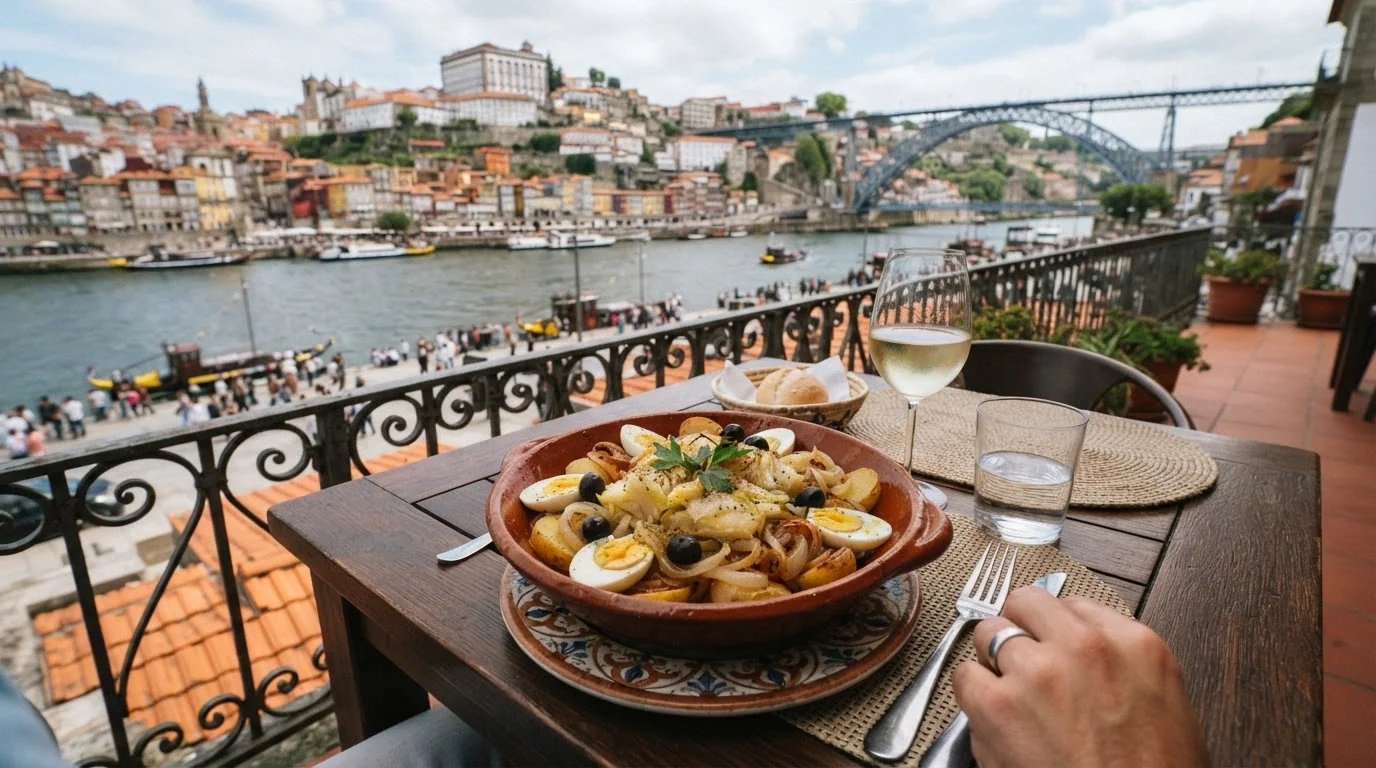
One preparation worth looking for in Porto is:
Bacalhau à Gomes de Sá (salt cod baked with potatoes, onions, olive oil, eggs and olives)
The recipe is associated with Porto and is a good choice if you want something with a direct connection to the city.
Where we'd eat it
Bacalhau Portuguese Wine & Food is our easiest recommendation if you want to stay around the river.
Terra Nova is another strong option, especially for seafood and a Ribeira view.
Feeling Adventurous? Try Tripas à Moda do Porto
Francesinha may be Porto's most famous modern dish, but Tripas à Moda do Porto (a traditional stew of tripe, white beans, sausage and other meats) has an even deeper relationship with the city.
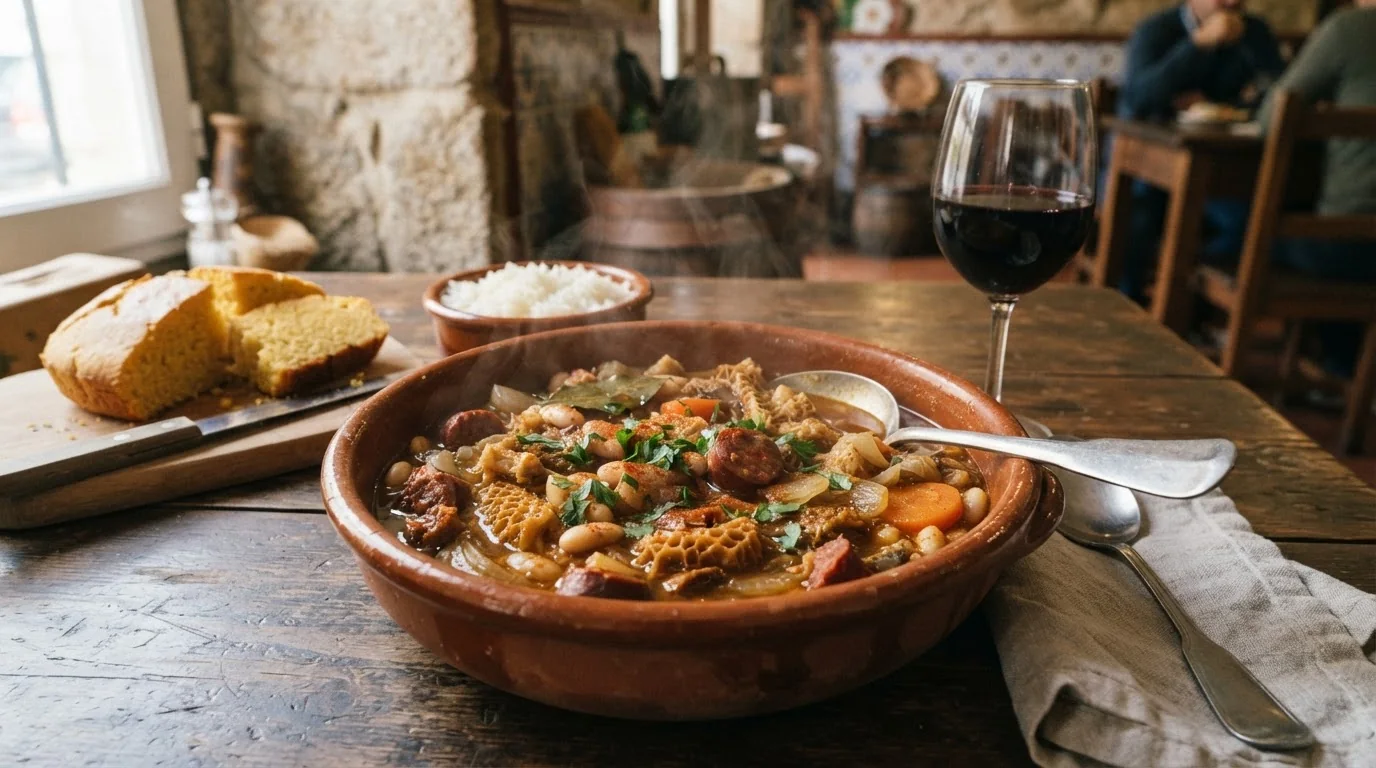
Porto residents are traditionally nicknamed Tripeiros — “tripe eaters.”
So this is very much a “when in Porto” dish.
Head to Foz do Douro
Spend the second afternoon in Foz do Douro (the coastal district where the Douro River reaches the Atlantic Ocean).
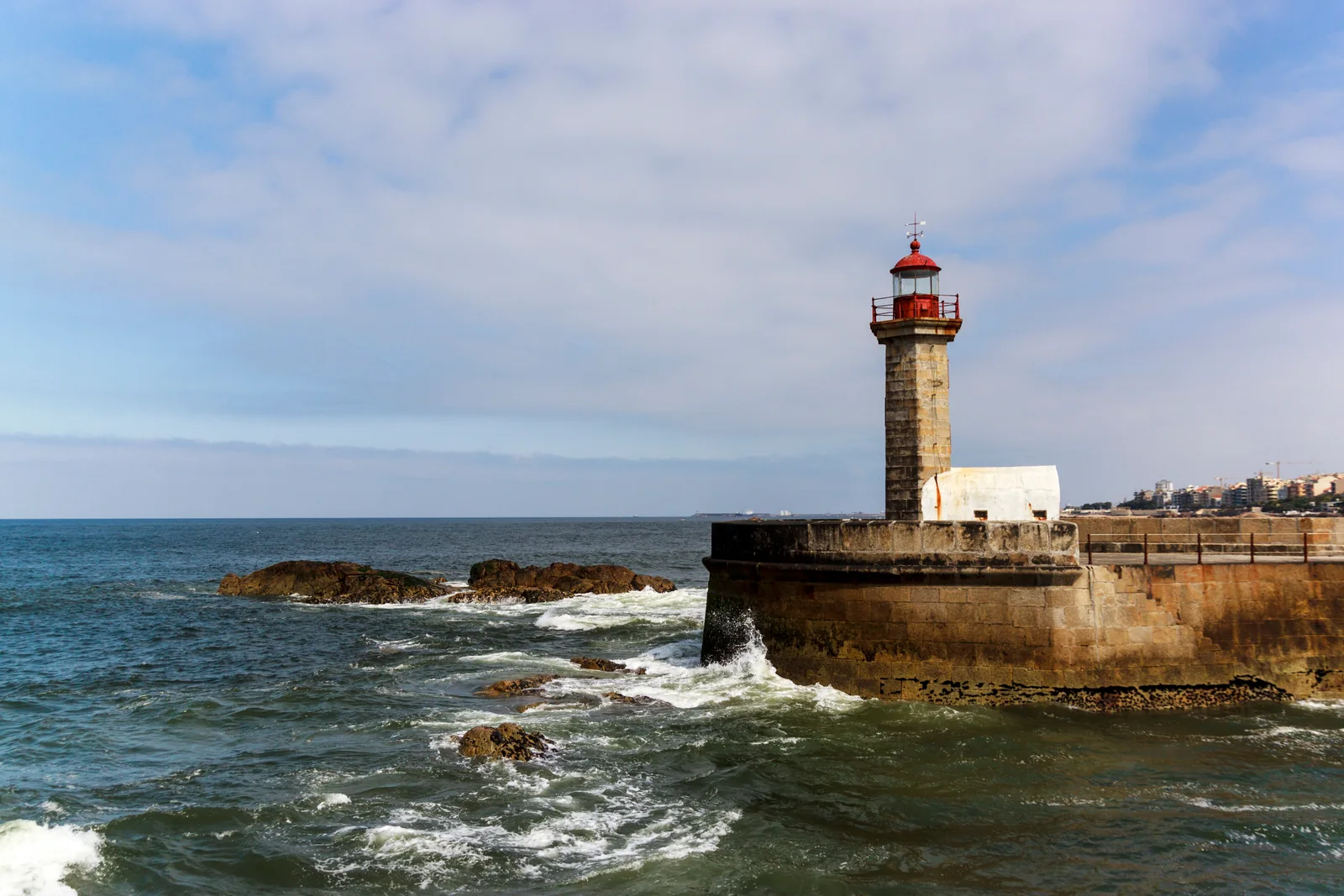
The atmosphere changes noticeably here.
The dense historic streets open out into waterfront promenades, beaches and Atlantic views.
You can reach Foz from central Porto by public transport, including the scenic historic tram route along the river when operating (Tram 1) or regular waterfront buses like Line 500.
Once there, keep it simple:
- Walk along the waterfront promenade.
- Watch the Atlantic waves crash along the breakwaters.
- Stop at a terrace for a drink.
After a day and a half of churches, hills and azulejos, having the ocean in front of you feels rather good.
If you want to continue farther along the Atlantic coast, Matosinhos Beach and Álvaro Siza Vieira’s famous Piscina das Marés in nearby Leça da Palmeira are two worthwhile extensions.
One Last Drink in Porto
If you still have some energy left after Day 2, finish the trip somewhere that offers a different side of Porto.
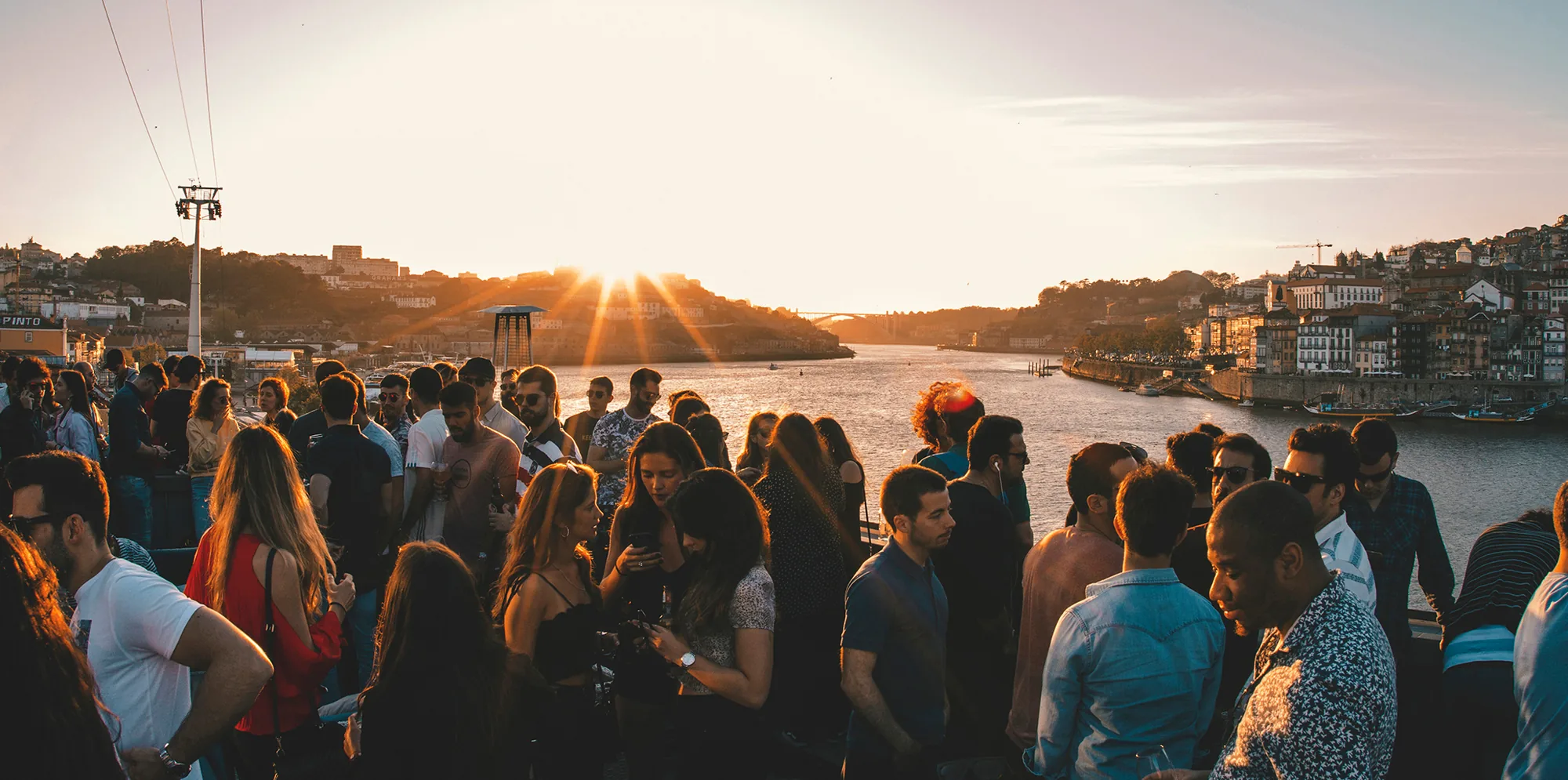
Espaço Porto Cruz is a particularly good choice if you want your last drink to stay connected to Porto's wine culture. Located across the Douro in Vila Nova de Gaia, it is known for Port wine and its rooftop terrace, where you can sit with wide views back across the river toward Porto. It is a strong option for a slower final drink with the Douro and city skyline in front of you.
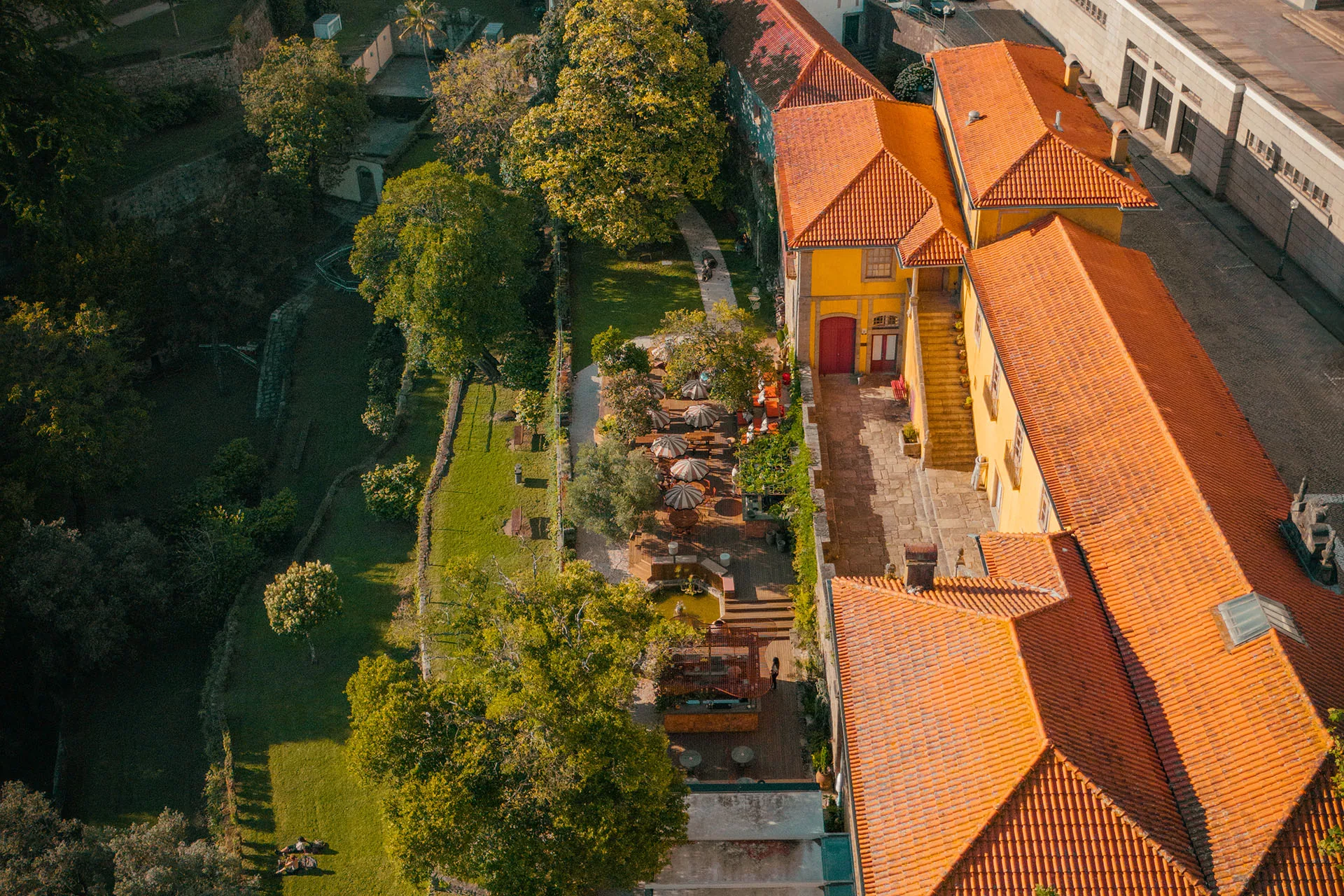
For something more contemporary, BOSCO Porto offers a very different atmosphere. It is located on Rua de Azevedo de Albuquerque, on the western side of central Porto, not far from the Palácio de Cristal area. BOSCO combines a garden, bar, restaurant, cocktails, wine, and music, making it a better fit if you want a more social and modern end to the trip rather than another traditional wine bar.
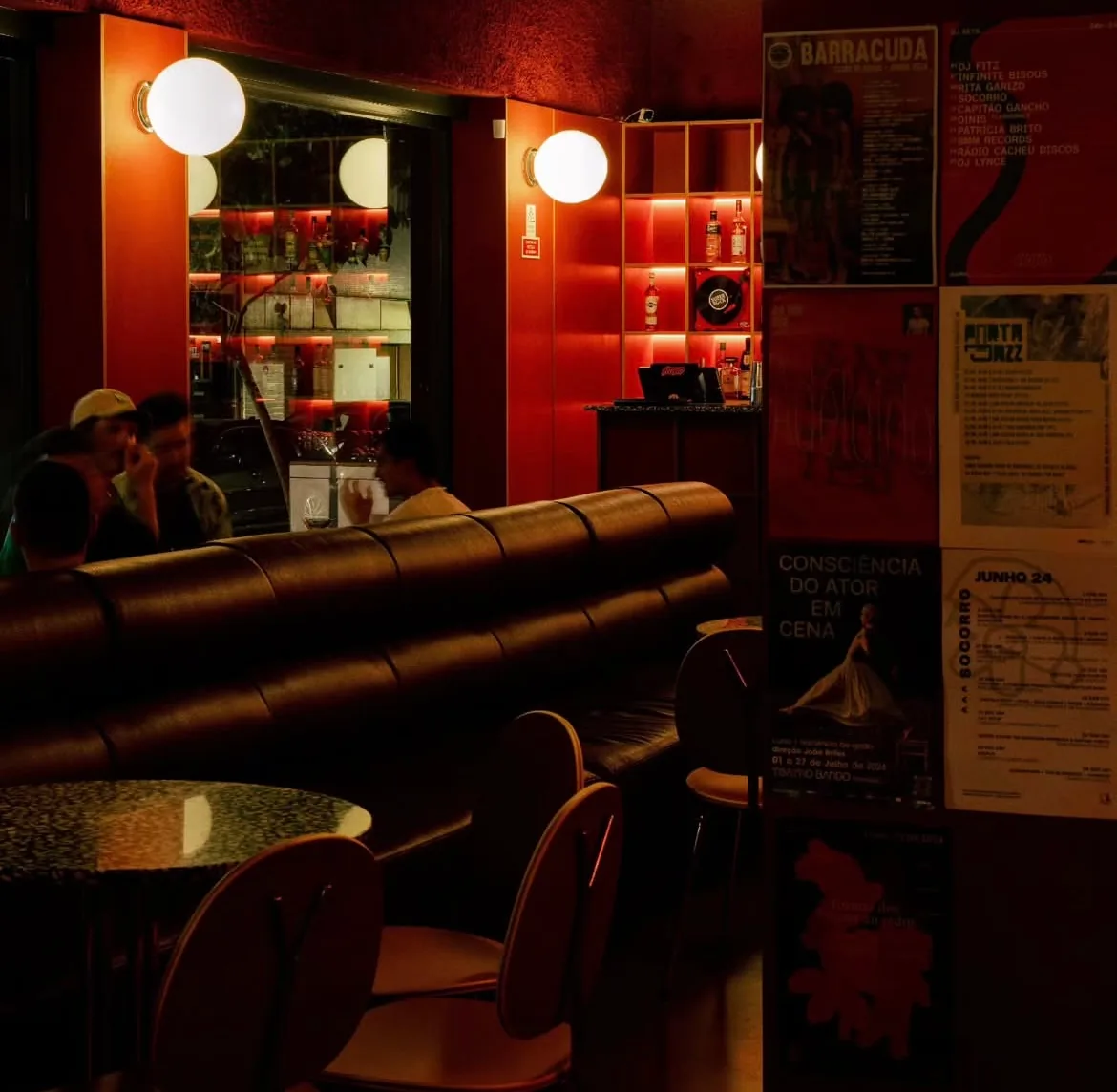
For a more alternative night, Fiasco in Bonfim is a strong third option. The bar is known for its walls of vinyl records, carefully selected music, cocktails, and laid-back listening-bar atmosphere. It is a good fit if you would rather finish the trip somewhere smaller and more music-focused than at a rooftop or riverside wine bar.
- Espaço Porto Cruz: best for Port wine, rooftop terrace and Douro views
- BOSCO Porto: best for cocktails, garden atmosphere and music
- Fiasco: best for vinyl, cocktails and an alternative music-bar atmosphere
What to Eat in Porto: Our First-Timer Shortlist
Francesinha
What it is: Porto's famous meat-and-cheese sandwich covered in a rich, slightly spicy sauce.
Our pick: Café Santiago (Time Out Porto #1 francesinha in 2026, Guia Repsol Solete).
Order: Francesinha Santiago
Pastel de Nata
What it is: Portugal's flaky custard tart.
Our pick: Manteigaria Clérigos (freshly baked, thin crisp shell).
Order: One pastel + espresso. Plain first, then add cinnamon. Also try Fábrica da Nata and Castro.
Bacalhau
What it is: Portuguese salt cod prepared in many different styles.
Look for: Bacalhau à Gomes de Sá.
Our picks: Bacalhau Portuguese Wine & Food or Terra Nova.
Tripas à Moda do Porto
What it is: Porto's traditional tripe, bean and meat stew.
Our pick: Abadia do Porto.
The dish with the strongest "you are definitely in Porto now" energy.
Cachorrinho
What it is: Porto's thin, crispy grilled sausage-and-cheese roll, usually sliced into bite-sized pieces.
Our pick: Gazela, the original home of Cachorrinho da Batalha.
Order: A cachorrinho and a cold Super Bock.
Port Wine
What it is: Fortified wine from the Douro region.
Best first experience: Do one proper cellar tasting in Gaia. After that, continue your studies somewhere considerably less educational, preferably with a river view.
Practical Tips for 2 Days in Porto
Porto is hilly
Distances on the map can look wonderfully innocent.
Then the street starts climbing.
Wear comfortable shoes and use the natural downhill route from Baixa toward Ribeira whenever possible.
Cross Dom Luís I Bridge on the Upper Deck
Both levels accommodate pedestrians, but the experience is different:
- Upper level: pedestrians + Metro Line D + panoramic views.
- Lower level: pedestrians + road traffic + river-level perspective.
For a first trip, cross the upper level at least once and combine it with Jardim do Morro.
Reserve the Most Popular Stops
On a short trip, queues hurt more because every hour matters.
Before travelling, check reservations for:
- Livraria Lello (Lello Bookstore)
- Port wine cellar tours
- Six Bridges cruises
- Any restaurant you particularly want at a peak dinner time
Keep Some Space in the Schedule
Porto is compact enough to see a lot in two days.
That does not mean every empty 30 minutes needs another museum.
Leave time for:
- coffee
- river views
- wine
- wandering
- accidentally finding another pastel de nata
Those bits usually age better in the memory than rushing to attraction number fourteen.
Have More Than 2 Days?
Option 1: Douro Valley
If you have a third day, consider the Douro Valley (the wine-producing region east of Porto known for terraced vineyards, river scenery and Port wine estates).
That gives you enough time to visit vineyards and wine estates without sacrificing one of your two main Porto days.
Compare Douro Valley day tours from Porto
Option 2: Aveiro, Costa Nova, Válega & Senhor da Pedra
If you would rather spend your extra day exploring the coast and smaller towns instead of wine country, consider a day trip combining Aveiro, Costa Nova, Válega, and Senhor da Pedra.
This trip offers a very different experience from the Douro Valley: canals and Art Nouveau architecture in Aveiro, the colorful striped houses of Costa Nova, the tiled church in Válega, and the dramatic seaside setting of Senhor da Pedra.
It is a particularly good alternative if you prefer coastal scenery, architecture, photography, and smaller-town stops over a wine-focused day trip.
FAQ
Is 2 days enough for Porto?
Yes. Two days gives a first-time visitor enough time for the historic centre, Ribeira, Gaia, Port wine, the Douro and a short visit to Foz. You will not see absolutely everything. That is fine. Porto will still be there.
Where should I stay for 2 days in Porto?
Baixa/São Bento, Sé and Ribeira are the most practical choices for this itinerary. Baixa is best for convenience, Ribeira for riverfront atmosphere and Sé for a balance between the two.
Is walking across Dom Luís I Bridge worth it?
Definitely. Use the upper deck at least once. The views across the Douro and toward Ribeira make the crossing one of the experiences of the trip rather than simply a way of getting into Gaia.
Can pedestrians use both levels of Dom Luís I Bridge?
Yes. The upper level is shared by pedestrians and Metro Line D. The lower level has pedestrian paths alongside road traffic.
Is the Six Bridges Cruise worth doing?
For a first two-day trip, yes. It fits naturally into the Ribeira-to-Gaia route and gives you a view of Porto that you cannot get from the streets.
Should I visit the Douro Valley if I only have 2 days?
We would save it for Day 3. There is already plenty to enjoy in Porto without sacrificing an entire day of your first 48 hours.
Final Recommendation
Two days in Porto works surprisingly well when you let the geography do some of the planning.
Start high around Clérigos and Sé, follow the streets toward Ribeira, see Porto from the Douro and then walk across Dom Luís I Bridge to Gaia.
Watch the city turn golden from Jardim do Morro, taste the wine that made this part of Portugal famous and finish the evening beside the river.
On Day 2, mix the tiled churches and markets of central Porto with the more relaxed streets of Cedofeita and Palácio de Cristal Gardens before heading out to Foz and the Atlantic.
And somewhere between all of that, make room for francesinha, bacalhau and at least one very warm pastel de nata.
Preferably more than one.
For research.